Dissecting how regional regulatory shifts reshape software provider alliances in cross-border digital gaming networks
Felix Schmid · Jul 23, 2026
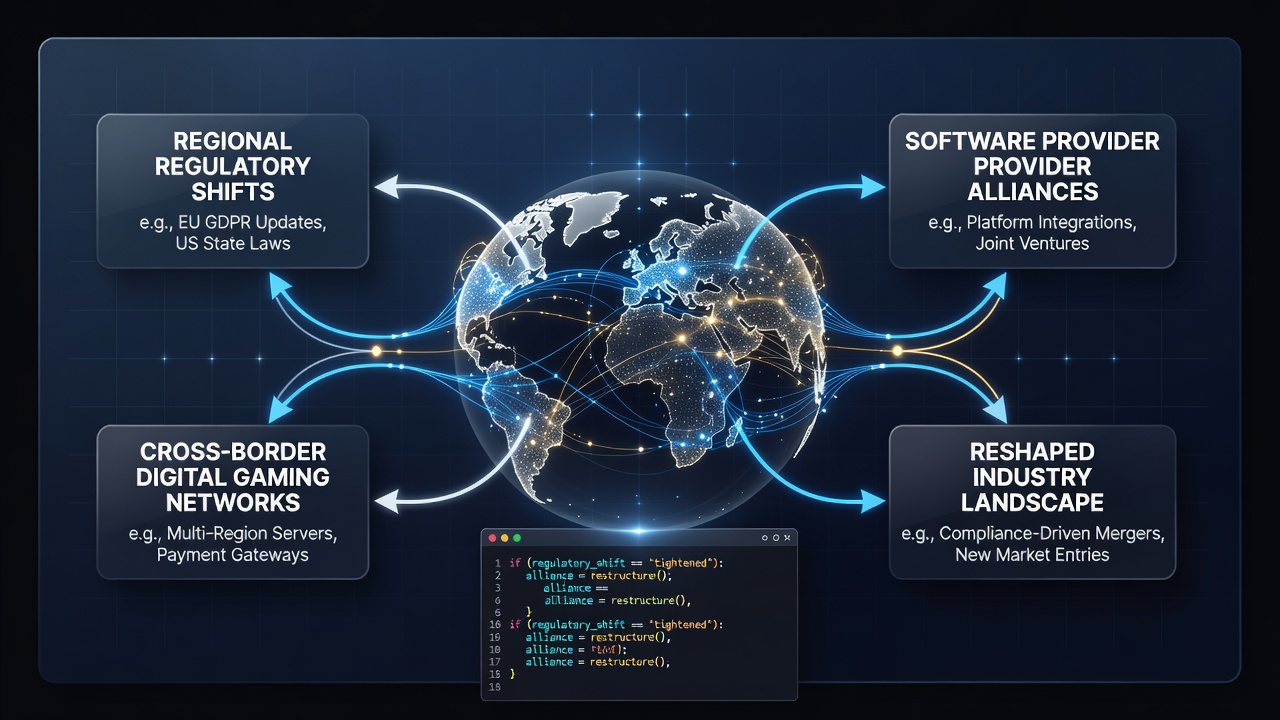
Dissecting how regional regulatory shifts reshape software provider alliances in cross-border digital gaming networks
Regional regulatory shifts continue to influence how software providers form and maintain alliances within cross-border digital gaming networks, and these changes often require rapid adjustments in compliance frameworks and partnership structures. Data from multiple jurisdictions show that operators and providers must align their systems with varying standards for data protection, age verification, and transaction monitoring, which in turn affects the scope and duration of their collaborative agreements.
European Union updates and their network effects
European regulators introduced tighter rules on digital service interoperability in early 2026, and these measures prompted software providers to reassess their existing alliances with operators in multiple member states. The European Commission published guidance on cross-border data flows that requires providers to implement standardized reporting mechanisms, and companies operating across borders have responded by consolidating partnerships with those who already maintain compatible audit trails. Observers note that alliances previously focused on game content distribution have expanded to include joint development of compliance modules since July 2026, when several national authorities began enforcing unified technical standards.
North American state-level variations
Canadian provincial regulators and U.S. state gaming commissions have introduced divergent licensing criteria for remote gaming software, and these differences have led providers to create region-specific alliance models rather than uniform global contracts. Research from industry tracking organizations indicates that providers now frequently partner with local compliance specialists in each jurisdiction to meet unique tax reporting and player fund segregation rules. Those who have studied these networks find that alliances spanning the U.S.-Canada border often include clauses allowing termination or renegotiation within 90 days of any regulatory amendment, which keeps agreements flexible while maintaining service continuity.
Asia-Pacific policy developments
Australian and Japanese authorities revised their approach to offshore software licensing in mid-2026, and these revisions have encouraged providers to form alliances with regional payment processors and identity verification firms. Figures released by the Australian Communications and Media Authority reveal increased scrutiny on data localization, which has pushed providers to establish localized servers through new partnership arrangements. Experts tracking these shifts report that alliances in this region now commonly incorporate shared technology for real-time monitoring of cross-border transactions, and such collaborations help satisfy multiple regulatory bodies simultaneously.
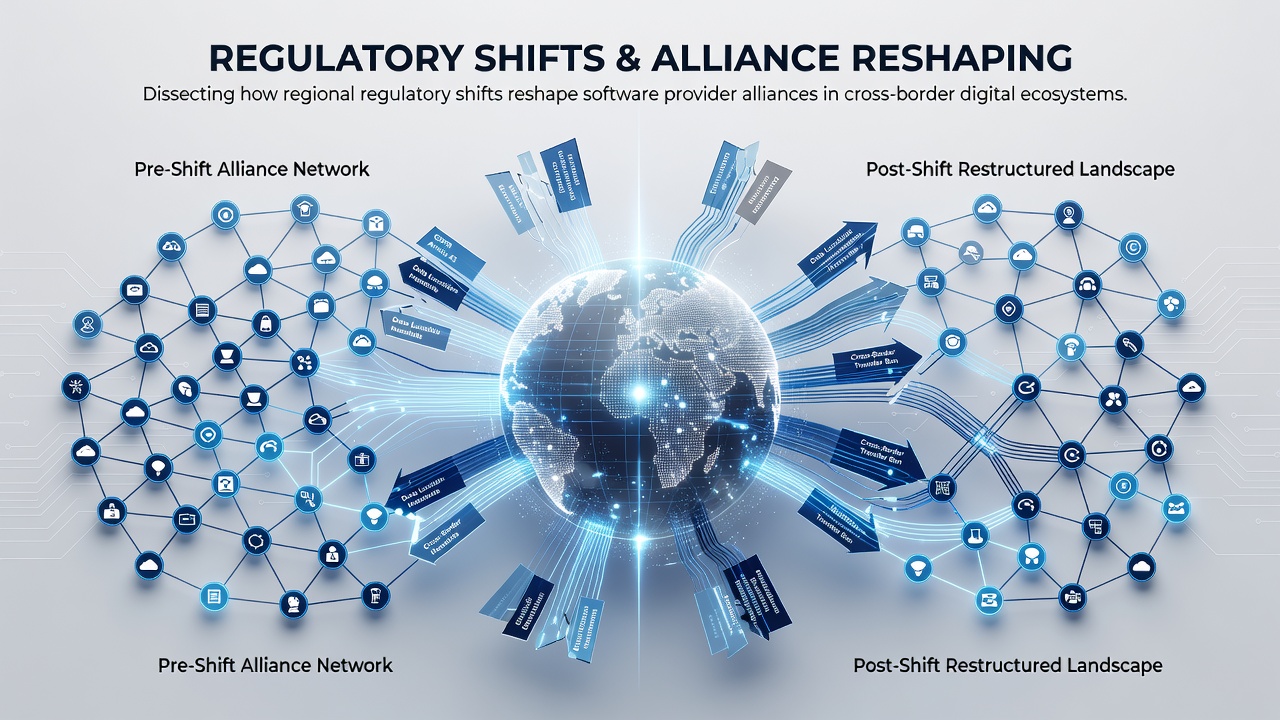
Adaptation strategies in provider alliances
Software providers respond to these regulatory pressures by embedding modular compliance features into their core platforms, and this approach allows alliances to scale across jurisdictions without complete system overhauls. Studies from academic research groups focused on digital markets show that providers who maintain alliances with multiple testing laboratories gain faster certification in new markets, reducing time-to-launch for operators. Those who have examined contract language find that recent agreements increasingly allocate responsibility for regulatory updates between parties, with clear escalation paths when one jurisdiction alters its requirements.
Technology integration across alliances
Cross-border networks now rely on shared encryption and API standards that accommodate different regional mandates, and providers have formed technical working groups to maintain compatibility. Data from trade associations indicate that alliances investing in joint research on biometric authentication and wallet integration have secured more stable positions in markets with evolving verification rules. In July 2026 several providers announced expanded collaboration on open-source compliance tools, which allows smaller operators to participate in networks previously dominated by larger entities.
Conclusion
Regional regulatory shifts continue to drive structural changes in how software providers organize their alliances within cross-border digital gaming networks. Providers that build flexible, jurisdiction-aware partnerships maintain operational reach even as individual markets update their rules, and ongoing coordination among technical, legal, and operational teams supports sustained network functionality across borders.