Exploring Interlinked Compliance Frameworks That Align Cryptocurrency Settlement Protocols With Cross-Jurisdictional Licensing Requirements in Portable Gaming Networks
Blake Hansen · Oct 23, 2026
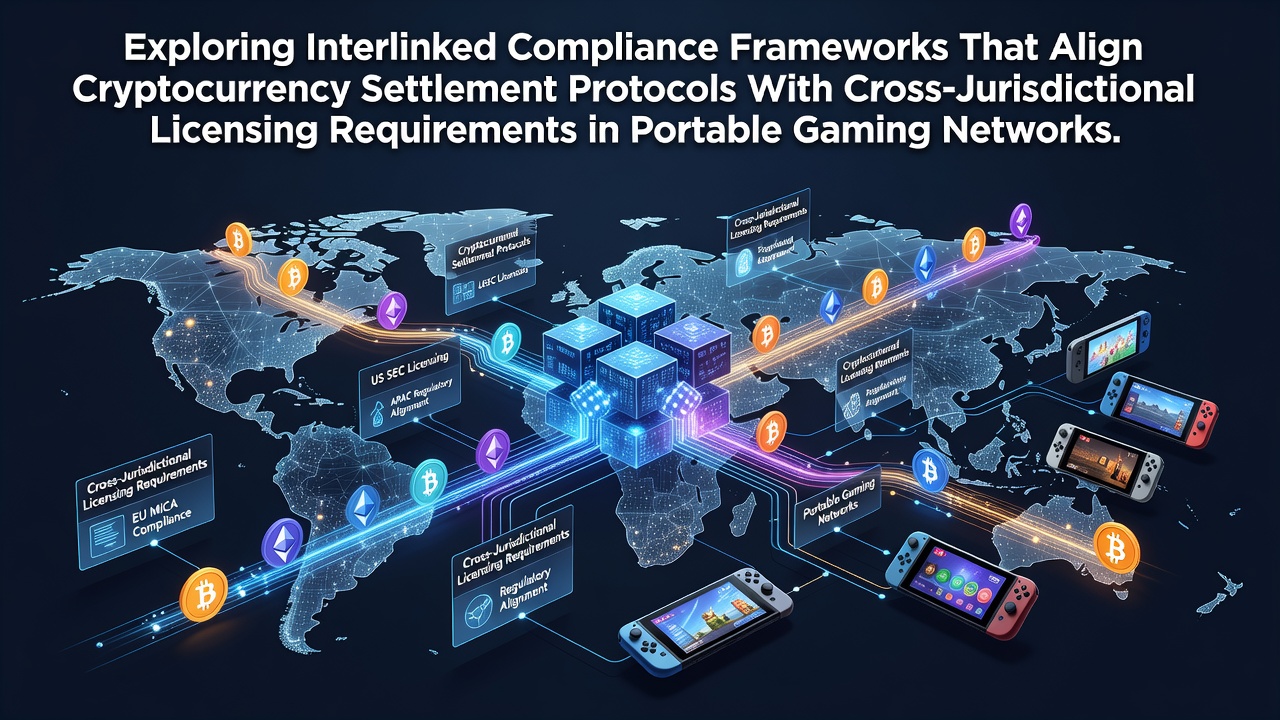
Exploring Interlinked Compliance Frameworks That Align Cryptocurrency Settlement Protocols With Cross-Jurisdictional Licensing Requirements in Portable Gaming Networks
Portable gaming networks have expanded rapidly since the mid-2020s, and cryptocurrency settlement protocols now handle a growing share of transactions in mobile environments. These protocols rely on blockchain ledgers that record transfers in near real time, yet they must satisfy licensing conditions that differ sharply from one jurisdiction to another. Regulators in multiple regions therefore examine how settlement systems interface with anti-money-laundering checks, identity verification standards, and ongoing reporting obligations.
Regulatory Landscape in Portable Gaming
Data from industry monitoring services shows that more than forty jurisdictions had issued or revised mobile gaming licenses by October 2026. Each license typically requires operators to demonstrate control over transaction flows, including those executed through digital assets. The European Commission’s digital finance package, updated in early 2026, outlines expectations for crypto-asset service providers that also operate gaming platforms, while the Financial Action Task Force continues to issue guidance on virtual asset service providers that applies to settlement layers used in gaming wallets.
North American regulators have taken parallel steps. Several U.S. state gaming commissions now require blockchain analytics reports as part of license renewal filings, and Canadian provincial authorities have aligned their technical standards with federal guidance on digital currencies. In Asia, Singapore’s Monetary Authority and Australia’s AUSTRAC both mandate transaction monitoring that covers cross-border crypto movements tied to gaming accounts. These separate regimes share common data elements, yet the precise formatting and submission timelines still vary.
Cryptocurrency Settlement Protocols in Gaming Networks
Settlement protocols in portable networks often combine on-chain transfers with off-chain reconciliation engines. Operators use stablecoin rails for instant crediting of winnings, while compliance modules tag each transaction with wallet addresses, timestamps, and risk scores. Research published by university-affiliated fintech centers indicates that these modules reduce settlement disputes by approximately thirty percent when compared with traditional payment rails, provided the underlying license permits such instruments.
Security protocols incorporate multi-signature requirements and time-locked contracts that mirror the hold periods specified in licensing agreements. When a player initiates a withdrawal, the system first checks the license jurisdiction’s threshold for enhanced due diligence, then routes teh transaction through a compliance oracle that records the outcome on an auxiliary ledger. Observers note that this layered approach allows operators to satisfy multiple regulators without duplicating entire transaction histories.
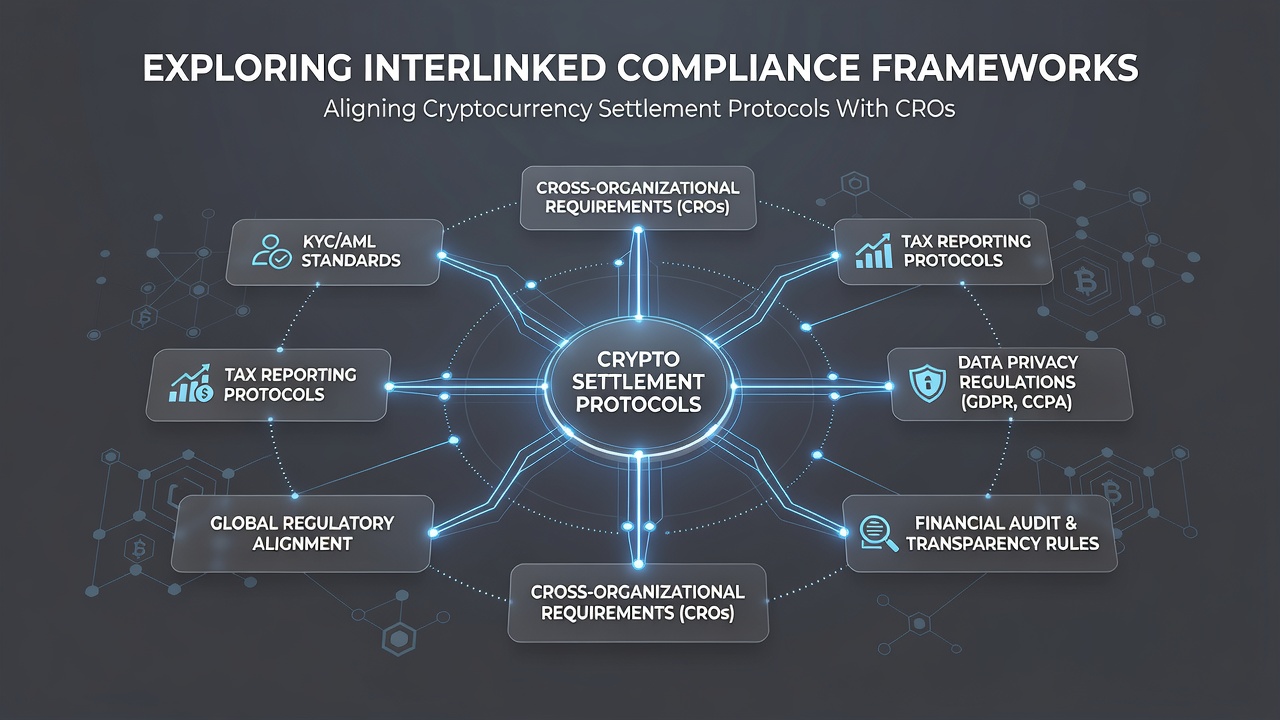
Alignment of Compliance Frameworks
Interlinked frameworks emerge when licensing bodies accept standardized data schemas developed by international standards organizations. One such schema, advanced by a consortium of gaming regulators in 2025, maps common fields for wallet screening results, source-of-funds declarations, and velocity limits. Operators that implement the schema can submit a single compliance package to multiple authorities, each of which extracts the elements relevant to its own rules.
Yet gaps remain. Some jurisdictions still require on-premise server audits for crypto nodes, while others accept cloud-based attestations. Licensing conditions in one region may cap single-transaction values at a level that another region treats as routine. Those who manage portable gaming platforms therefore maintain jurisdiction-specific rule engines that sit above the shared settlement protocol, adjusting parameters automatically when a player’s location changes.
Case Examples from 2026
One operator licensed in three European states and two Canadian provinces implemented a unified dashboard that pulls settlement data into each regulator’s preferred format. The system flags transactions exceeding local thresholds and generates audit trails that satisfy both the EU’s Markets in Crypto-Assets framework and provincial gaming statutes. Another firm operating across Australian and Asian markets adopted a permissioned blockchain that records licensing attestations alongside each settlement, allowing real-time verification by AUSTRAC and its counterparts.
These implementations illustrate how technical choices in protocol design directly influence licensing outcomes. When settlement layers embed regulatory metadata at the point of transaction creation, subsequent reporting becomes largely automated, reducing the manual reconciliation burden that previously delayed license renewals.
Conclusion
Cross-jurisdictional licensing for portable gaming networks now depends on the capacity of cryptocurrency settlement protocols to carry compliance metadata in consistent, machine-readable forms. As of October 2026, regulators across several continents continue to refine shared data standards while preserving local policy distinctions. Operators that align their technical architecture with these evolving expectations can maintain multiple licenses through a single, adaptable settlement layer rather than separate infrastructures for each market.