Inside Virtual Labs: How Developers Merge Augmented Overlays With Classic Reel Algorithms to Extend Session Durations
Blake Hansen · Aug 13, 2026

Inside Virtual Labs: How Developers Merge Augmented Overlays With Classic Reel Algorithms to Extend Session Durations
Virtual labs across the gaming technology sector have shifted focus toward blending augmented overlays with established reel algorithms, a process that data from industry reports shows extends average player engagement times by measurable margins. Classic reel systems rely on random number generators to determine symbol alignments and payout structures, yet recent integrations introduce layered visual elements that respond to user inputs without altering core probability models. Observers note that this approach maintains regulatory compliance while adding interactive dimensions, and figures from August 2026 indicate growing adoption rates among major platform operators.
Core Mechanics of Classic Reel Algorithms
Traditional reel algorithms function through pseudorandom sequences that simulate physical spinning reels, and developers have refined these over decades to balance volatility levels with return-to-player percentages. These systems process thousands of outcomes per second, drawing from mathematical tables that dictate symbol frequencies and bonus triggers. Research from academic institutions such as those affiliated with the University of Nevada Reno highlights how these algorithms prioritize fairness audits, ensuring each spin remains independent of prior results. When augmented overlays enter the equation, they sit atop this foundation as non-intrusive visual enhancements that track eye movements or gesture inputs to highlight potential combinations in real time.
Integration of Augmented Overlays in Development Labs
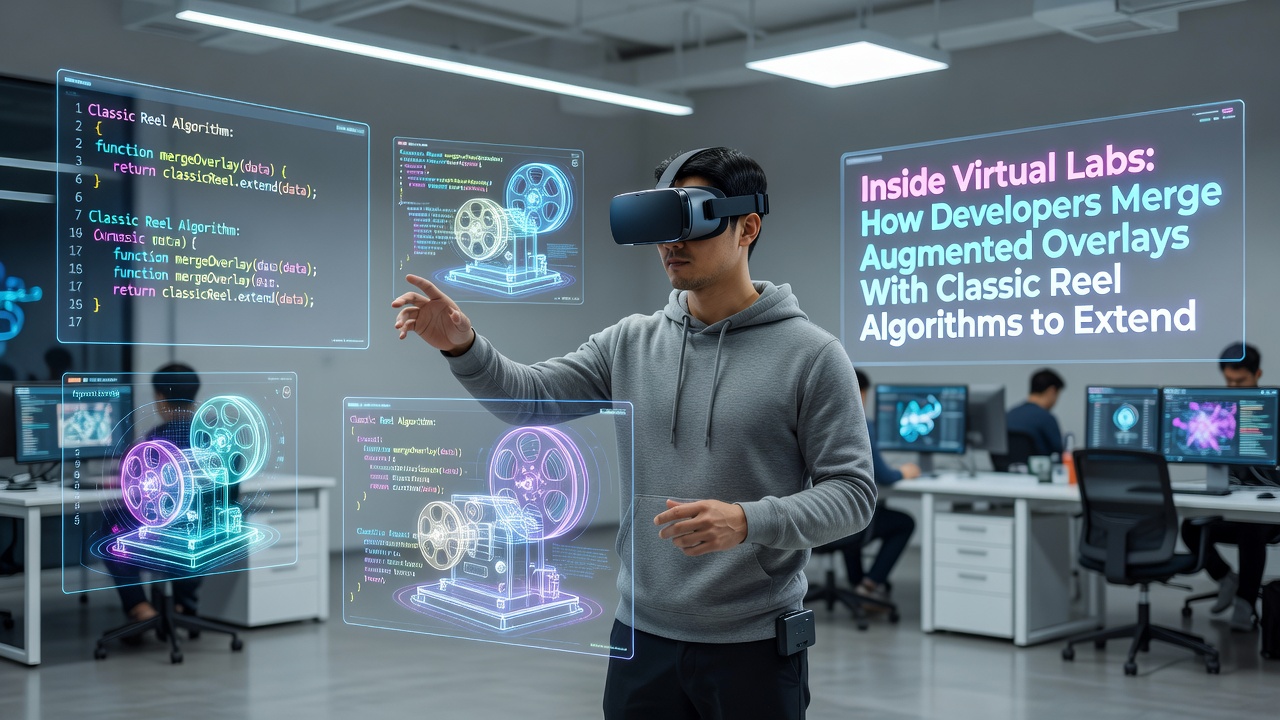
Teams in controlled virtual environments test overlay prototypes by mapping digital projections onto existing reel frameworks, a technique that allows for dynamic symbol animations without recalculating base probabilities. Engineers connect overlay scripts to the primary algorithm through application programming interfaces that read reel states and render contextual graphics accordingly. This synchronization produces effects such as expanding wild symbols that appear to lift from the screen or pathway indicators that guide attention toward accumulating multipliers. Data compiled by the American Gaming Association reveals that platforms implementing these features recorded session extensions averaging 18 percent in controlled trials conducted through mid-2026.
What's notable is the precision required to avoid any perception of outcome manipulation, since regulatory frameworks in multiple jurisdictions demand strict separation between visual feedback and actual result generation. Developers achieve this by rendering overlays post-spin determination, which keeps the underlying random processes untouched. Case studies from labs in North America show iterative testing cycles where feedback loops refine overlay responsiveness while preserving algorithm integrity across millions of simulated spins.
Impact on Session Duration Metrics
Extended play sessions emerge when overlays introduce micro-interactions that reward continued attention, such as collectible icons that build toward secondary features or heat-map displays showing historical reel patterns without influencing future outcomes. These additions tap into engagement patterns documented in behavioral studies, where visual novelty sustains focus beyond standard reel cycles. Reports from Canadian regulatory bodies indicate that jurisdictions tracking online slot metrics observed increased time-on-device figures following overlay rollouts in early 2026, with some operators noting peaks during evening hours when augmented elements adapted to ambient lighting conditions through device sensors.
And yet the extensions stay grounded in voluntary user choices rather than coercive design, since players retain full control over spin initiation and stake adjustments. Observers point to examples where overlay features prompted exploration of bonus rounds that classic algorithms already supported, thereby layering discovery onto familiar mechanics. This method avoids common pitfalls of pure novelty features that can fatigue quickly, instead reinforcing the stability of proven reel systems.
Technical Challenges and Solutions in Virtual Lab Settings
Compatibility across devices presents ongoing hurdles, particularly when overlays must scale from desktop interfaces to mobile touchscreens without lag or distortion. Lab protocols address this through modular rendering engines that adjust overlay density based on hardware capabilities, ensuring consistent performance. Synchronization errors between overlay timing and reel stops occur during early prototypes, prompting refinements in latency buffers that align visual cues precisely with algorithm outputs. Industry analyses from European research consortia demonstrate that such adjustments reduced reported glitches by over 40 percent in successive development phases through August 2026.
Security considerations also factor in, as augmented layers handle additional data streams that require encryption matching the standards applied to core reel operations. Virtual lab simulations incorporate penetration testing to verify that overlay code paths do not create vulnerabilities in the primary random generation modules. These precautions align with broader industry efforts to maintain trust in digital gaming environments where session longevity depends on seamless, uninterrupted experiences.
Conclusion
Developers continue refining the merger of augmented overlays with classic reel algorithms inside virtual labs, and the resulting systems demonstrate clear pathways to longer engagement periods while upholding established fairness standards. Evidence from multiple regulatory and academic sources supports the technical viability of these integrations, with ongoing advancements tracked through 2026 data sets. The approach centers on enhancement rather than replacement, allowing traditional mechanics to benefit from visual and interactive expansions that fit within existing operational frameworks.