Payment Gateway Interconnections That Route Funds Through Multi-Provider Casino Networks
Felix Schmid · Aug 6, 2026
Payment Gateway Interconnections That Route Funds Through Multi-Provider Casino Networks
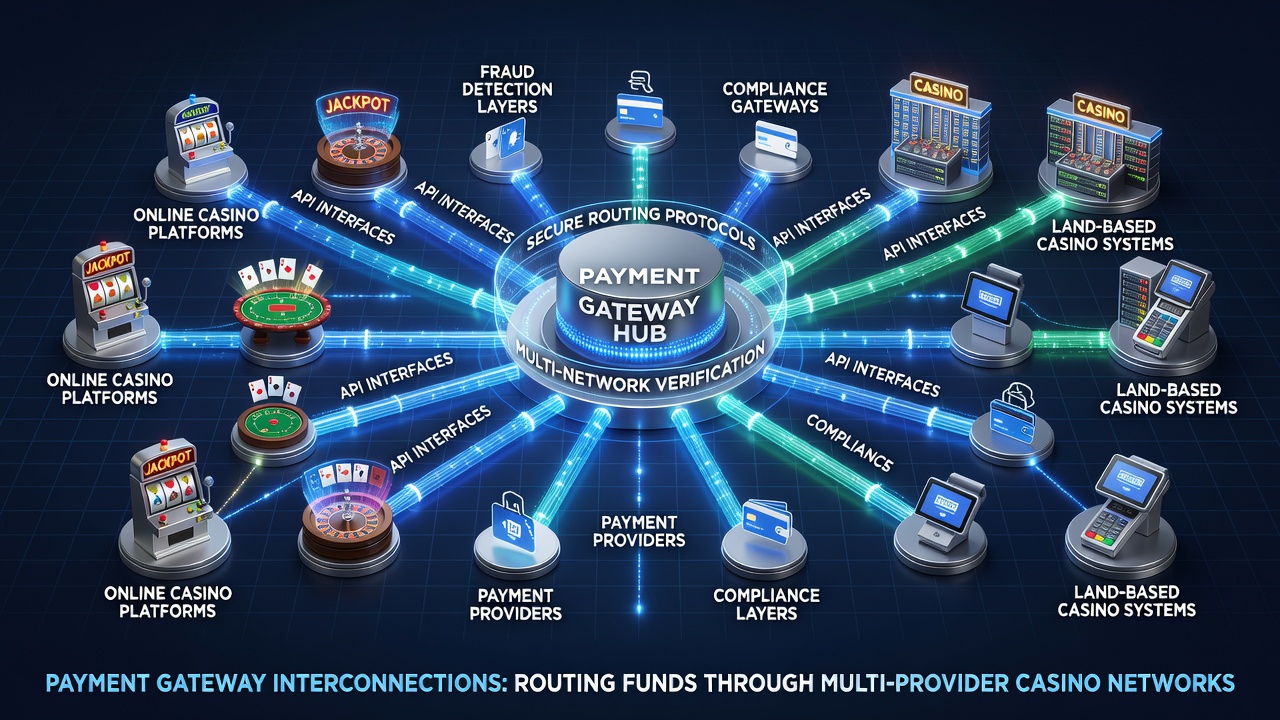
Payment gateway interconnections form the backbone of fund movement in multi-provider casino networks, where operators link several processing platforms to handle deposits and withdrawals across different jurisdictions and currencies. These systems connect banks, digital wallets, and alternative payment methods through layered APIs that route transactions based on real-time factors such as cost, speed, and regulatory compliance. Data from industry reports indicate that such interconnections have expanded significantly since 2024 as operators seek to reduce single-point failures and accommodate growing player volumes in online environments.
How Interconnected Gateways Operate in Practice
Operators establish direct links between primary gateways and secondary providers, allowing a single player transaction to pass through multiple nodes before reaching the casino's account. When a deposit initiates, the system evaluates available routes using algorithms that factor in transaction fees, currency conversion rates, and settlement times. Researchers at payment technology firms have documented cases where these routes shift automatically during peak periods, such as major sporting events that drive higher wagering activity. In August 2026, several networks reported processing peaks exceeding prior monthly averages by 18 percent, according to aggregated operator filings shared with regulatory bodies in multiple regions.
Multi-provider setups often incorporate fallback mechanisms so that if one gateway experiences delays, traffic reroutes to an alternate path without interrupting the player experience. This architecture relies on standardized protocols that permit seamless data exchange while maintaining encryption standards required by various licensing authorities. Observers note that European operators have adopted these models more rapidly than some North American counterparts, partly because cross-border play demands greater flexibility in currency handling and compliance checks.
Regulatory Influences on Routing Decisions
Licensing requirements shape how funds move through these networks, with each jurisdiction imposing specific rules on transaction transparency and anti-money laundering verification. Canadian regulators, including those overseeing iGaming Ontario, require detailed reporting on payment flows that cross multiple providers, which has prompted operators to implement centralized logging systems. Similar standards appear in Australian state frameworks, where authorities track settlement chains to ensure funds reach licensed entities within defined timeframes. These rules encourage the use of audited interconnection points rather than ad-hoc arrangements between providers.
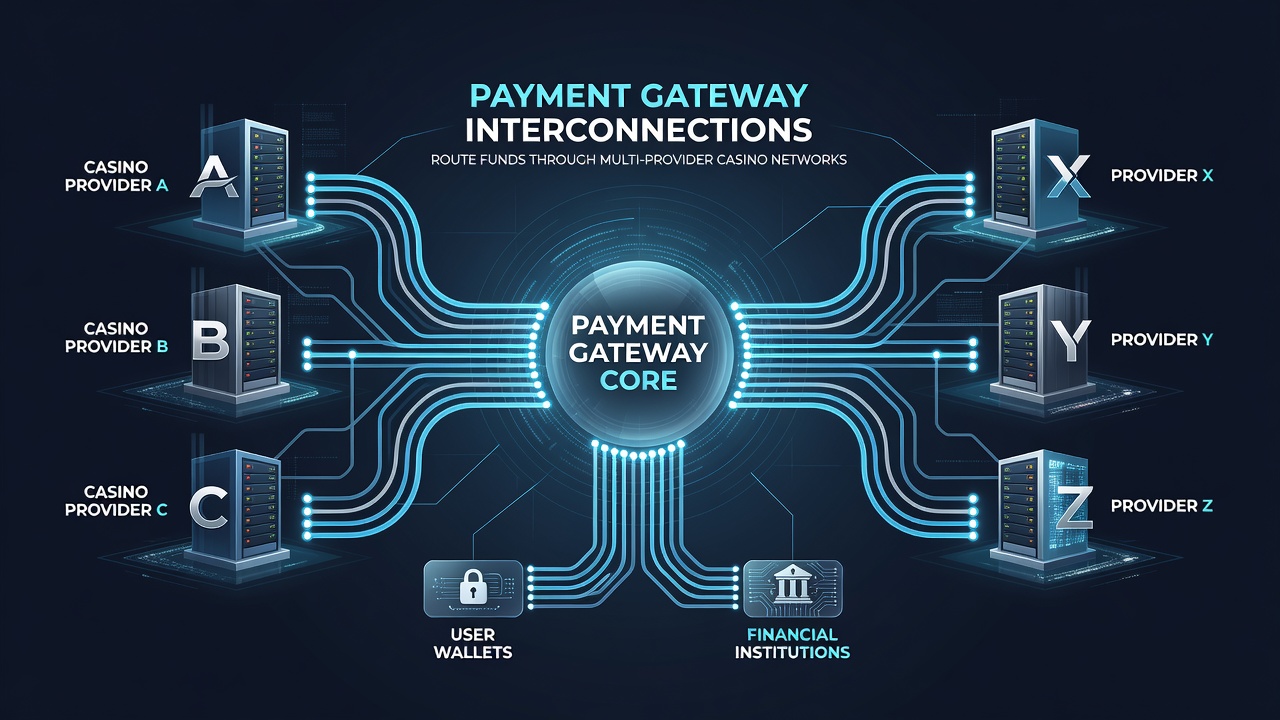
One study released by an academic research group in 2025 examined transaction logs from networks operating under multiple licenses and found that interconnected gateways reduced average settlement times by 22 percent compared with single-provider models. The analysis covered operations in both North American and Asian markets, highlighting consistent patterns in how operators prioritize routes that satisfy local reporting obligations. Data shows that providers maintaining direct connections to central bank settlement systems often receive preference during high-volume periods because they offer faster reconciliation.
Technical Components Supporting Multi-Provider Routing
API gateways serve as the primary interface, translating requests between different payment processors while preserving metadata needed for compliance audits. Encryption layers wrap each segment of the route, and tokenization replaces sensitive card details with unique identifiers that limit exposure across the network. Industry associations tracking digital payments have reported rising adoption of these token standards since early 2025, particularly among operators managing large player bases across several brands.
Load-balancing tools distribute traffic according to predefined rules that account for provider uptime statistics and historical performance metrics. When one route shows elevated latency, the system diverts new transactions without manual intervention. Technical documentation from payment firms indicates that these automated adjustments have become standard in networks handling both fiat and emerging digital currency options, though the latter still represent a smaller share of total volume in most licensed markets.
Regional Variations in Network Design
North American operators tend to emphasize redundancy across state lines, where differing tax treatments and reporting requirements necessitate separate processing paths. In contrast, some Asian networks focus on integrating local e-wallet providers that dominate consumer payment habits, routing funds through domestic gateways before connecting to international settlement layers. European operators frequently blend both approaches, maintaining connections to multiple regional processors to accommodate players from various EU member states.
Figures from regulatory filings in 2026 reveal that networks with at least three interconnected providers experienced fewer service disruptions during maintenance windows than those relying on single or dual arrangements. This pattern holds across different license types, suggesting the benefit stems from route diversity rather than operator size alone.
Security and Compliance Considerations
Each interconnection point undergoes regular testing by independent auditors to verify that encryption and access controls meet required standards. Multi-provider setups create additional audit trails because every hop in the route generates its own set of logs, which regulators can cross-reference during reviews. Organizations such as the European Gaming and Betting Association have published guidelines that address these layered security needs, encouraging operators to adopt unified monitoring dashboards that track activity across all connected gateways.
Tokenization and dynamic routing together reduce the window during which payment details remain accessible, a factor cited in several compliance reports as contributing to lower incident rates. Operators continue to refine these controls in response to evolving threat landscapes documented by cybersecurity research groups focused on financial systems.
Conclusion
Payment gateway interconnections that route funds through multi-provider casino networks have become integral to modern online gaming infrastructure, supporting faster settlements and broader geographic reach while aligning with diverse regulatory demands. As of August 2026, operators continue to expand these connections to meet growing transaction volumes and maintain service continuity across licensed markets. Ongoing developments in API standards and encryption protocols suggest further refinements in how funds move between providers, with data from regulatory and industry sources indicating steady adoption of multi-route architectures.