Synchronizing Player Data Streams with International Regulatory Databases to Enhance Verification Protocols in Digital Gambling
Blake Hansen · Aug 16, 2026
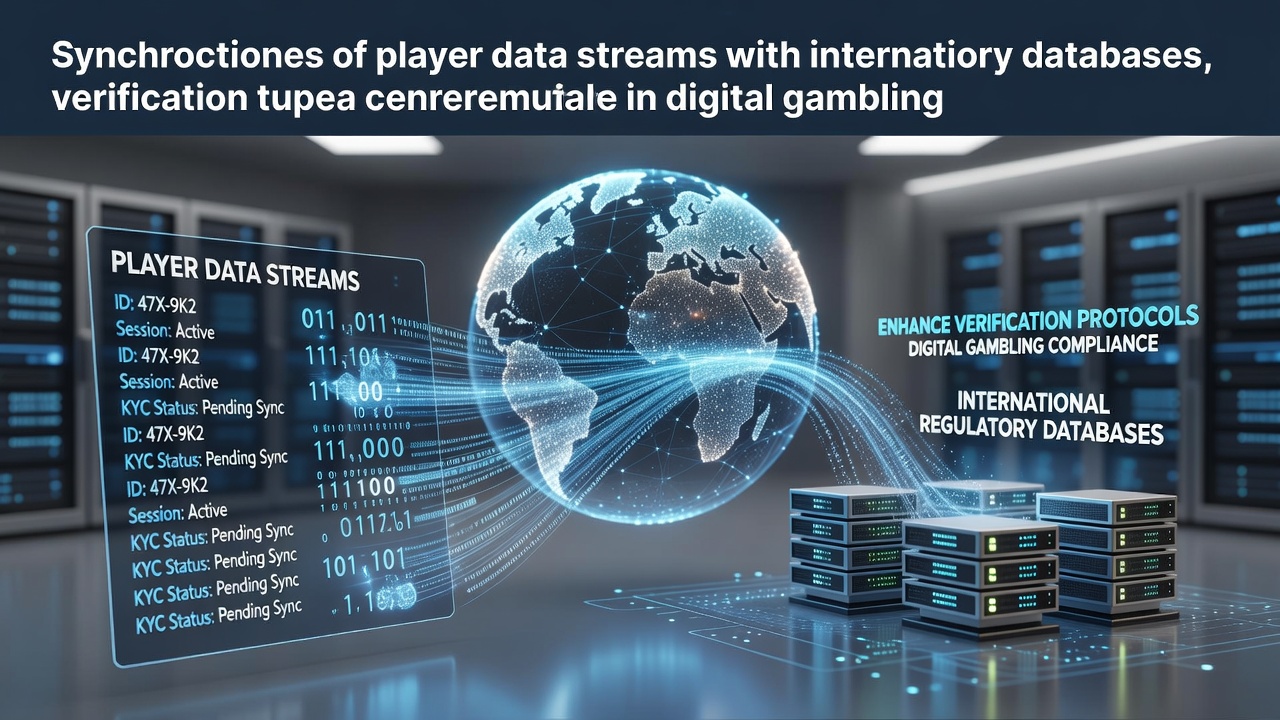
Synchronizing Player Data Streams with International Regulatory Databases to Enhance Verification Protocols in Digital Gambling
Operators in digital gambling environments have turned to synchronized data streams that connect directly with international regulatory databases, and this approach supports verification protocols by pulling real-time information on player identity, age, and transaction history. Systems now route player details through encrypted channels to cross-check records held by agencies across multiple jurisdictions, while the process reduces delays that once allowed incomplete profiles to enter gaming platforms. Data from regulatory filings shows that integration efforts expanded notably through 2025, and August 2026 brought further updates when several operators completed phased rollouts of automated matching tools.
Core Mechanics of Data Stream Synchronization
Player data streams operate through standardized APIs that transmit details such as name, date of birth, address, and payment identifiers to connected databases maintained by government bodies. These connections run on encrypted protocols that comply with standards set by organizations including the International Organization for Standardization, and synchronization occurs at login, deposit, and withdrawal points to flag discrepancies immediately. Researchers at institutions tracking gaming technology note that batch processing has given way to continuous feeds, which means operators receive updates on regulatory changes within minutes rather than days.
International databases include repositories operated by entities such as the Australian Transaction Reports and Analysis Centre for anti-money laundering checks, alongside systems managed by the Malta Gaming Authority for European license holders. When a player registers, the stream queries these sources simultaneously, and any mismatch triggers a hold until manual review clears the account. Figures released by the Canadian Gaming Association indicate that synchronized systems processed over 12 million verification requests in the first half of 2026 alone.
Role of International Regulatory Databases
Regulatory databases compile records from licensing authorities, law enforcement alerts, and self-exclusion lists compiled across borders, and synchronization allows operators to query multiple sources without separate logins or file transfers. The European Commission maintains centralized resources on consumer protection that feed into these networks, while the New Jersey Division of Gaming Enforcement contributes state-level data on excluded individuals. Observers at industry conferences in 2026 highlighted how these combined datasets support verification by revealing patterns such as repeated attempts to open accounts under variations of the same identity.
One study from the University of Nevada, Reno examined synchronization pilots and found that operators reduced average verification time from 48 hours to under four minutes once direct database links were active. The same research noted that error rates in age checks dropped by 37 percent when streams pulled directly from government vital records rather than relying on player-submitted documents alone.

Impact on Verification Protocols
Verification protocols gain precision when synchronized streams deliver live flags for sanctioned individuals or those on problem gambling registries, and operators can then apply restrictions without waiting for separate notifications. In practice, this means a player listed on an Australian self-exclusion register appears blocked across platforms connected to the shared system, while similar enforcement occurs for Canadian provincial lists. Reports compiled by the World Lottery Association document that such linkages helped block 184,000 high-risk registration attempts during the 2025 calendar year.
Payment verification also benefits because streams confirm source of funds against records held by financial intelligence units, and this step aligns with requirements from bodies such as the Financial Action Task Force. When a transaction originates from a jurisdiction with heightened scrutiny, teh system routes the data for additional review before funds clear. Those who have implemented these protocols report that chargeback disputes tied to identity fraud declined measurably once cross-border checks became routine.
Implementation Examples Across Regions
North American operators began linking streams to shared databases in late 2024, and by August 2026 several major platforms had completed connections with both state and provincial systems. European licensees followed similar timelines under updated directives that emphasized real-time data exchange. Australian operators integrated their national self-exclusion database earlier, and the resulting model influenced protocols now adopted in parts of Asia and South America.
Technical teams at these sites use middleware layers to translate data formats between legacy regulatory systems and modern gaming servers, and testing cycles ensure that no personally identifiable information lingers in transit. Case documentation from a 2026 industry summit showed that one multi-jurisdictional operator achieved 99.4 percent match accuracy after six months of live synchronization.
Conclusion
Synchronization between player data streams adn international regulatory databases continues to shape verification protocols by enabling faster, more accurate checks across borders. Evidence from regulatory filings, academic reviews, and operational reports confirms measurable reductions in processing time and fraud indicators where these connections operate. As additional jurisdictions adopt compatible standards, the framework supports consistent enforcement while operators maintain compliance across diverse markets.