Tracing Interlinked Loyalty Ecosystems That Span Multiple Gaming Providers and Reward Cross-Platform Engagement Patterns
Blake Hansen · Oct 9, 2026
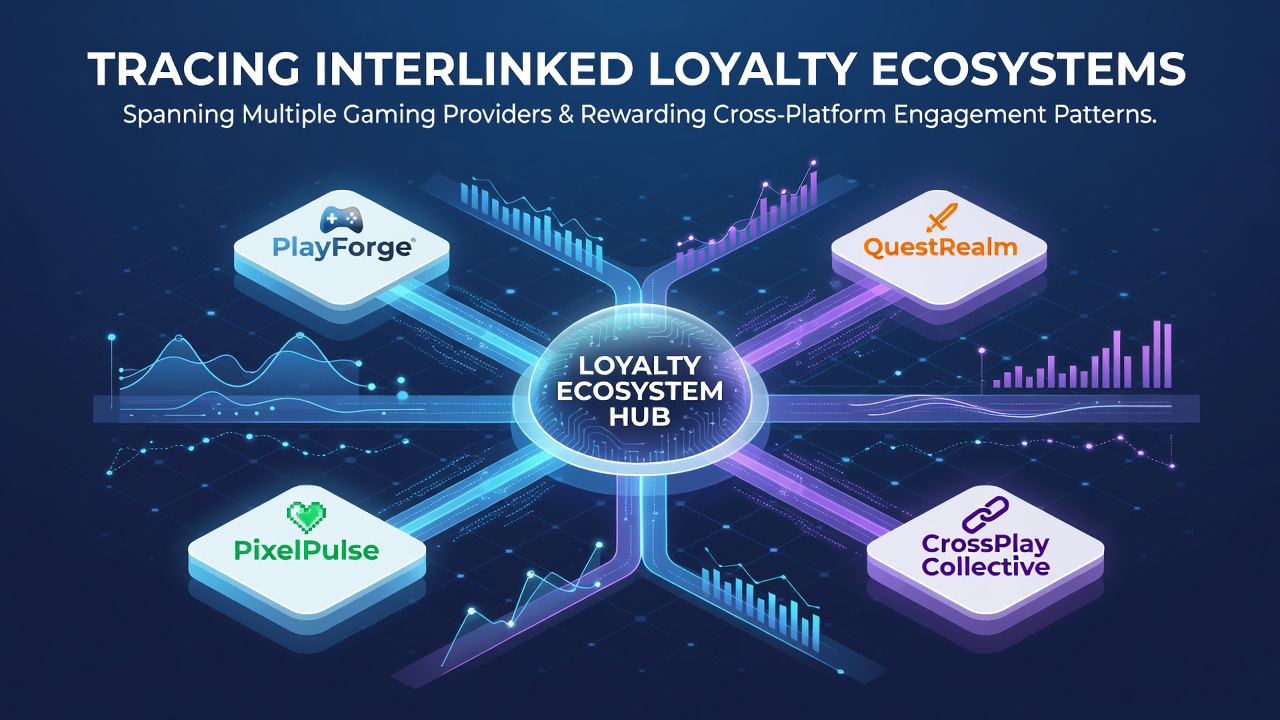
Tracing Interlinked Loyalty Ecosystems That Span Multiple Gaming Providers and Reward Cross-Platform Engagement Patterns
Interlinked loyalty ecosystems connect separate gaming operators through shared data protocols that track player activity across platforms and convert engagement into unified reward structures. These systems rely on standardized APIs and centralized databases to record bets, session durations, and game preferences while preserving privacy controls required by various jurisdictions. Observers note that such networks allow participants to accumulate points from one provider and redeem them at another without resetting progress or navigating separate interfaces.
Core Mechanics Behind Cross-Provider Integration
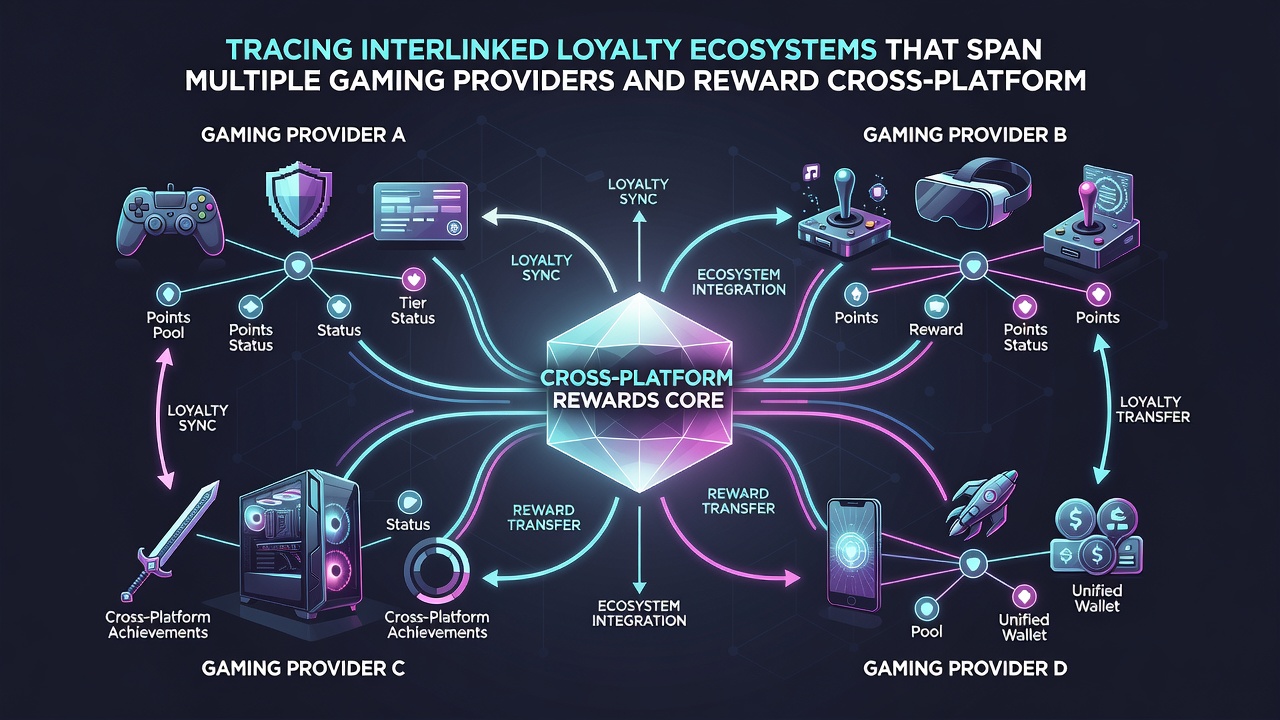
Multiple operators join these ecosystems by adopting common data-exchange standards that synchronize account identifiers and transaction histories in real time. When a player completes a qualifying action on one site, the system immediately updates a shared ledger that other partners can access through secure handshakes. This approach reduces duplication of effort for both users and companies while creating a single view of lifetime value that spans brands. Data indicates that integration typically begins with smaller regional operators before expanding to larger international networks that cover slots, table games, and sports betting verticals.
Technology Supporting Unified Reward Tracking
Cloud-based customer relationship platforms form the backbone of these ecosystems and enable operators to push loyalty events through encrypted channels that comply with data-protection rules in multiple countries. Blockchain ledgers sometimes supplement traditional databases by providing immutable records of point issuance and redemption, which helps auditors verify that rewards have not been duplicated or altered. Researchers at academic institutions have documented how machine-learning models analyze cross-platform patterns to predict churn and suggest personalized incentives that keep participants active across teh network rather than within a single brand.
Regional Developments Observed Through October 2026
North American markets have seen increased adoption of interlinked programs following regulatory updates in several states that now permit data sharing between licensed operators under strict oversight. European and Asian jurisdictions have followed similar paths, with some provinces in Canada and states in Australia requiring operators to demonstrate interoperability before granting multi-site licenses. Figures released by the New Jersey Division of Gaming Enforcement show steady growth in accounts linked across more than one platform, while reports from the Victorian Commission for Gambling and Liquor Regulation in Australia highlight comparable trends in cross-border reward redemptions. These parallel movements indicate that regulators view unified ecosystems as tools for both player retention and responsible-gambling monitoring.
Patterns of Engagement and Reward Distribution
Analysis of aggregated transaction data reveals that players who move between platforms tend to increase overall session frequency and diversify the types of games they try. Points earned from high-volatility slots on one site often convert directly into credits for live dealer tables on another, creating seamless transitions that keep activity within the network. Industry organizations such as the American Gaming Association have compiled statistics showing that participants in multi-provider programs generate higher average revenue per user compared with those limited to single-brand accounts. Rewards range from bonus credits and free spins to exclusive event access and merchandise, all calibrated according to the combined engagement score rather than isolated performance on any one platform.
Conclusion
Interlinked loyalty ecosystems continue to expand as operators recognize the value of shared data infrastructure that rewards sustained participation wherever it occurs. Regulatory frameworks in multiple regions now accommodate these networks while maintaining safeguards around player information and responsible play. As integration standards mature, the ability to trace and reward cross-platform patterns will likely become a standard feature of digital gaming environments worldwide.