Unpacking Cryptographic Shifts in Transaction Verification for Portable Gaming Networks
Frankie Braun · Aug 4, 2026
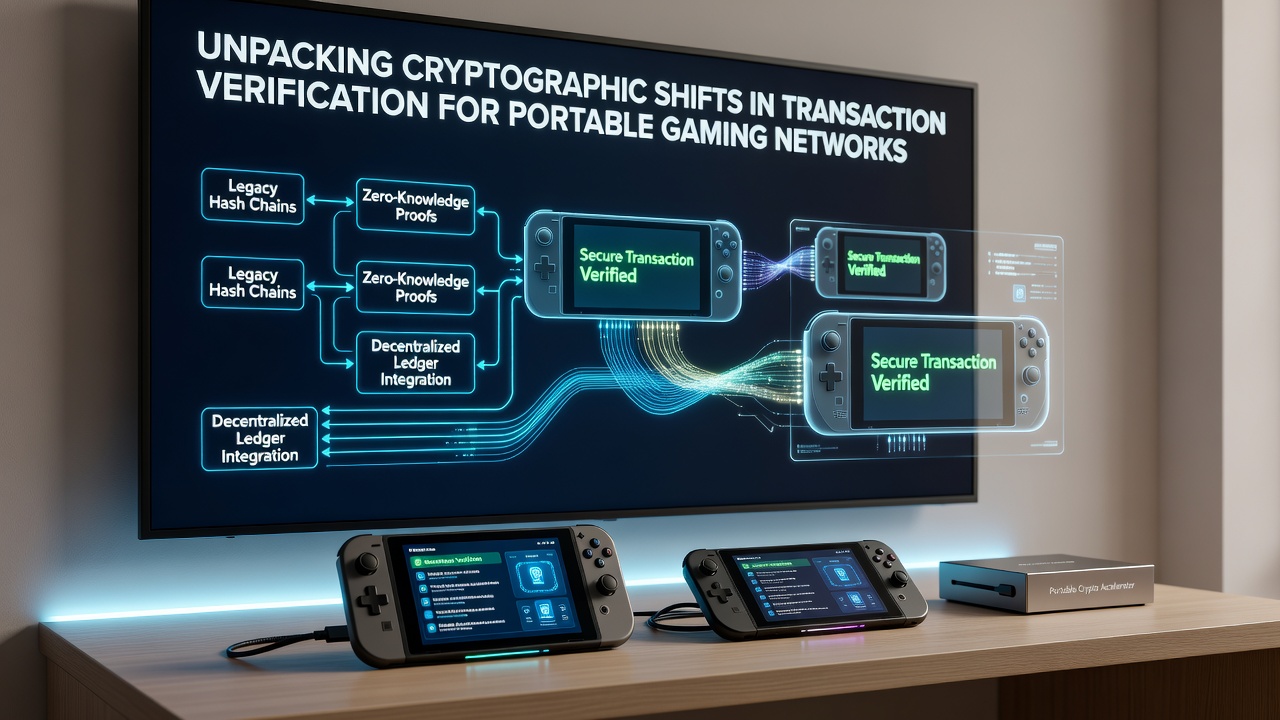
Unpacking Cryptographic Shifts in Transaction Verification for Portable Gaming Networks
Portable gaming networks rely on secure transaction verification to handle real-time bets, deposits, and payouts across mobile devices, and cryptographic methods have evolved to meet demands for speed and resistance against emerging threats. Researchers at institutions tracking digital security note that earlier reliance on RSA encryption has given way to elliptic curve cryptography in many systems because it delivers comparable protection with shorter key lengths, which reduces processing overhead on handheld hardware. Data from industry reports compiled through mid-2026 shows adoption rates climbing steadily as operators integrate these lighter protocols into apps used for live sports wagers and slot sessions.
Current Landscape of Transaction Security
Transaction verification in portable environments must authenticate users while confirming fund movements without introducing noticeable lag, and operators achieve this through layered approaches that combine symmetric encryption for data in transit with asymmetric methods for key exchange. Studies from regulatory bodies in North America and Europe indicate that mobile gaming traffic now accounts for over 60 percent of total iGaming volume, which places direct pressure on verification layers to scale efficiently. Observers point out that vulnerabilities in older hash functions prompted shifts toward SHA-256 and its successors, particularly after documented incidents where weakened algorithms exposed session tokens during peak usage periods.
August 2026 brought fresh guidance from standards organizations emphasizing preparation for post-quantum cryptography, and several portable gaming platforms began pilot integrations of lattice-based algorithms alongside existing elliptic curve setups. Those implementations allow verification routines to remain compatible with current devices while building toward quantum-resistant signatures that could protect long-term player account data. Figures released by the European Network and Information Security Agency reveal that testing across simulated mobile networks demonstrated verification times staying under 200 milliseconds even when hybrid cryptographic stacks were active.
Key Cryptographic Transitions Underway
One major transition involves moving from centralized verification servers to distributed ledger elements that embed zero-knowledge proofs, which let networks confirm transaction validity without revealing underlying player details. Research papers published in 2025 documented how these proofs cut data exposure during cross-border transfers common in international gaming communities. Portable networks benefit because the proofs require minimal bandwidth, suiting connections that fluctuate between Wi-Fi and cellular coverage.
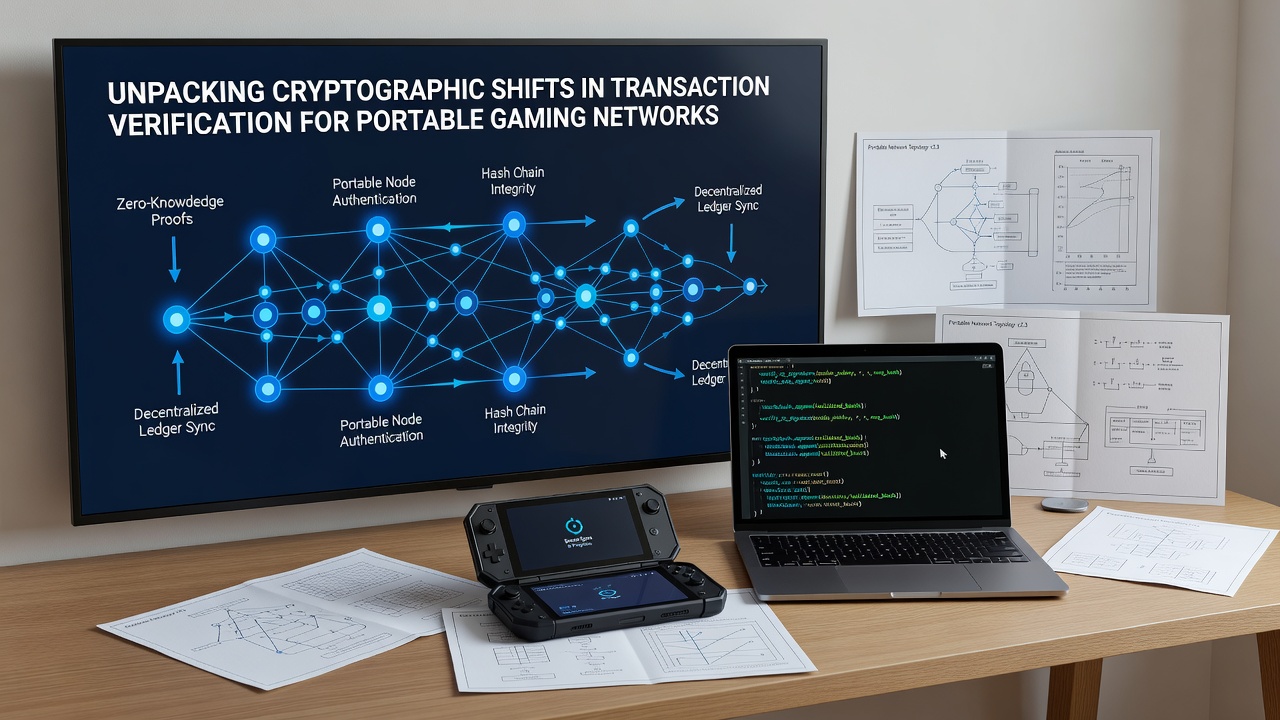
Another shift centers on multi-party computation protocols that split cryptographic keys across several nodes, preventing any single point from holding complete access. Industry associations in Australia and Canada reported that operators adopting such protocols saw reductions in successful account takeover attempts during the first half of 2026. Verification now often incorporates device-bound attestations, where hardware security modules on smartphones generate unique signatures tied to biometric inputs, and this combination strengthens identity checks without forcing players through repeated manual logins.
Implementation Examples Across Regions
North American operators have documented deployment of hybrid encryption suites that pair traditional public-key methods with emerging post-quantum candidates, allowing gradual migration without service interruptions. One case involved a major mobile platform updating its verification pipeline in July 2026, resulting in sustained transaction throughput during high-volume events such as major sports finals. European networks, meanwhile, focused on compliance with updated data protection directives that explicitly reference cryptographic agility, meaning systems must swap algorithms quickly if weaknesses surface.
Asian markets have emphasized lightweight implementations suited to lower-powered devices prevalent in emerging regions, and field tests showed that optimized elliptic curve operations maintained security margins while cutting battery drain by measurable percentages. Those who've studied these deployments note that verification logs stored under new standards provide clearer audit trails for dispute resolution, satisfying oversight requirements from multiple jurisdictions.
Challenges and Technical Considerations
Balancing computational demands with real-time expectations remains a core issue, because portable devices vary widely in processing capability and network stability. Experts tracking the sector report that fallback mechanisms allowing graceful degradation to simpler verification when connections weaken have become standard practice. Supply chain concerns around cryptographic libraries also surfaced in 2026, prompting operators to source code from verified repositories and conduct regular integrity checks on updates pushed to player handsets.
Interoperability across different gaming platforms adds another layer, since players often move funds between apps operated by separate companies. Standards groups have worked toward common verification interfaces that support multiple cryptographic suites, reducing friction during transfers while preserving the integrity of each transaction record.
Conclusion
Shifts in cryptographic approaches for transaction verification continue to reshape how portable gaming networks operate, driven by regulatory updates, hardware constraints, and the need to counter advancing computational threats. Data compiled through August 2026 illustrates measurable progress in hybrid and distributed methods that maintain both speed and assurance levels. Organizations monitoring these developments, including those referenced through NIST post-quantum cryptography resources and reports from ENISA on digital security, provide ongoing benchmarks that operators use to refine their systems. The trajectory points toward verification processes that adapt fluidly as new algorithms mature and mobile infrastructure expands.